
Commercial Epoxy Flooring in San Francisco
Tell us how your space is used, what the floor is exposed to, and when the area can be taken out of service. A member of the team will help you plan the next steps for an estimate.
Match the floor to how the space works.
Three common situations, and the questions that actually decide the system.
A workshop with rolling equipment
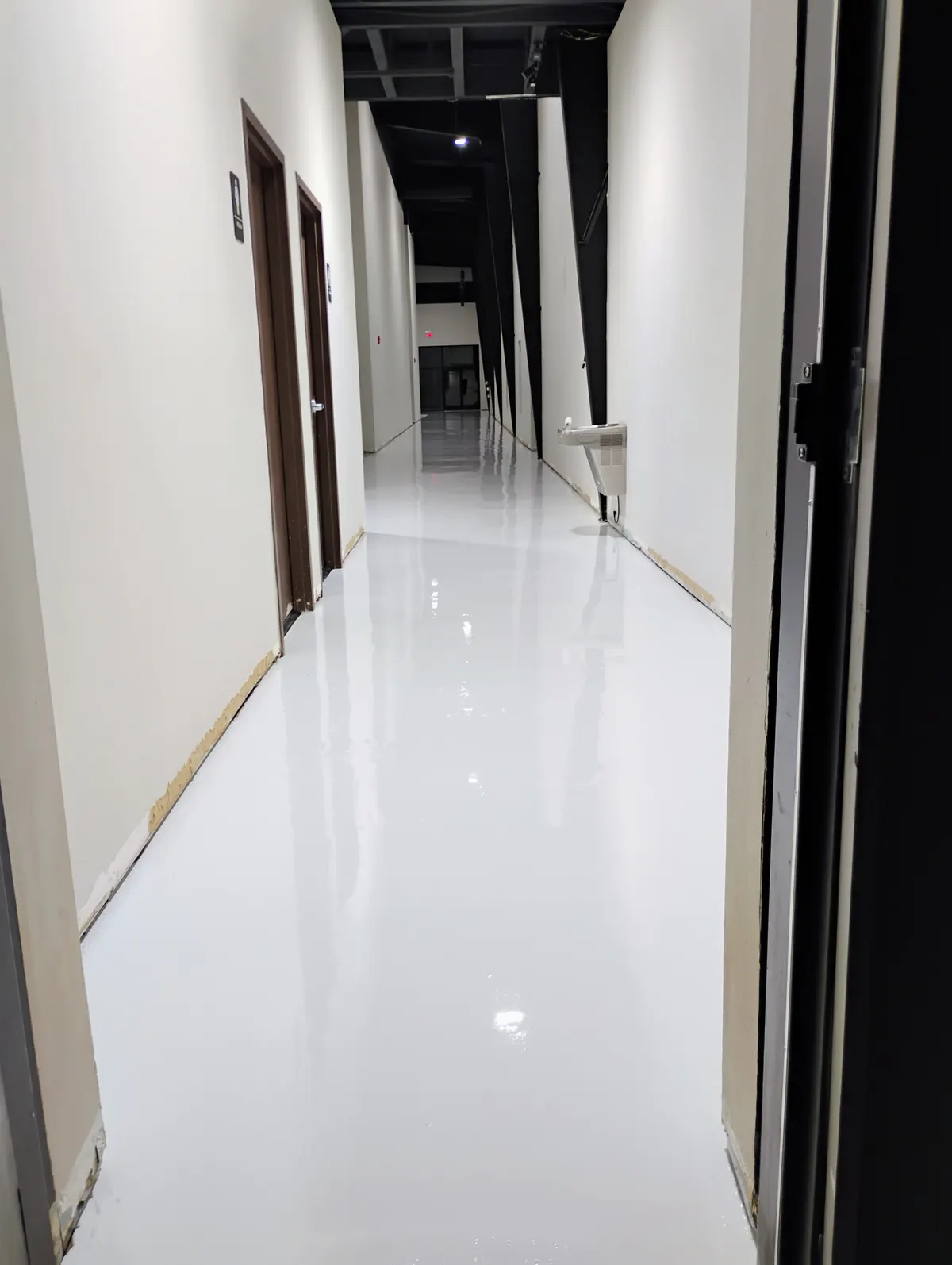
Carts, jacks, and point loads reward a simple, tough build — often a solid-color epoxy system where wear is easy to see and recoat. The questions that matter: what rolls across the floor, what gets dropped on it, and what fluids or chemicals it has to shrug off. Impact and abrasion set the build; looks come second.
A customer-facing showroom
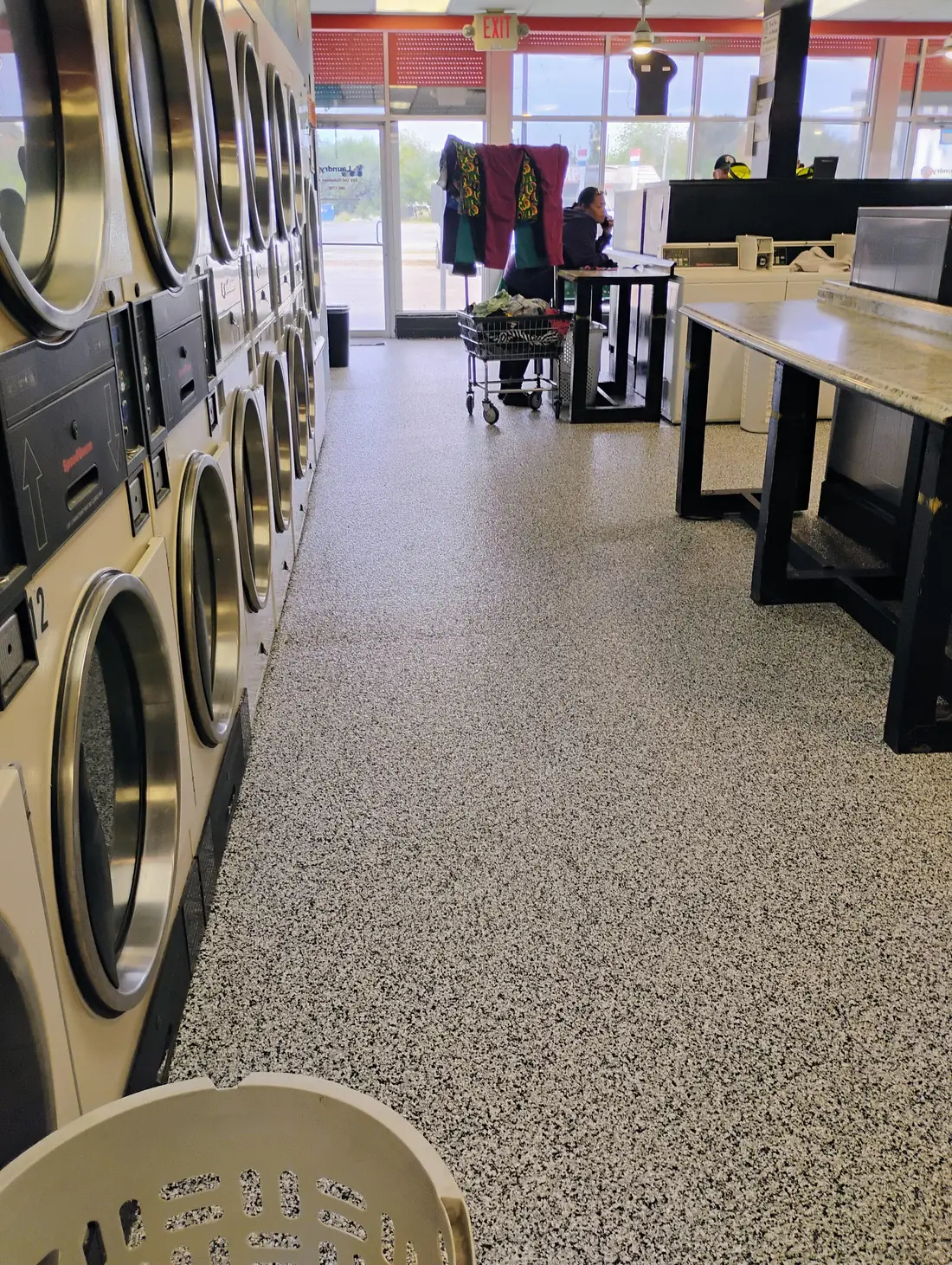
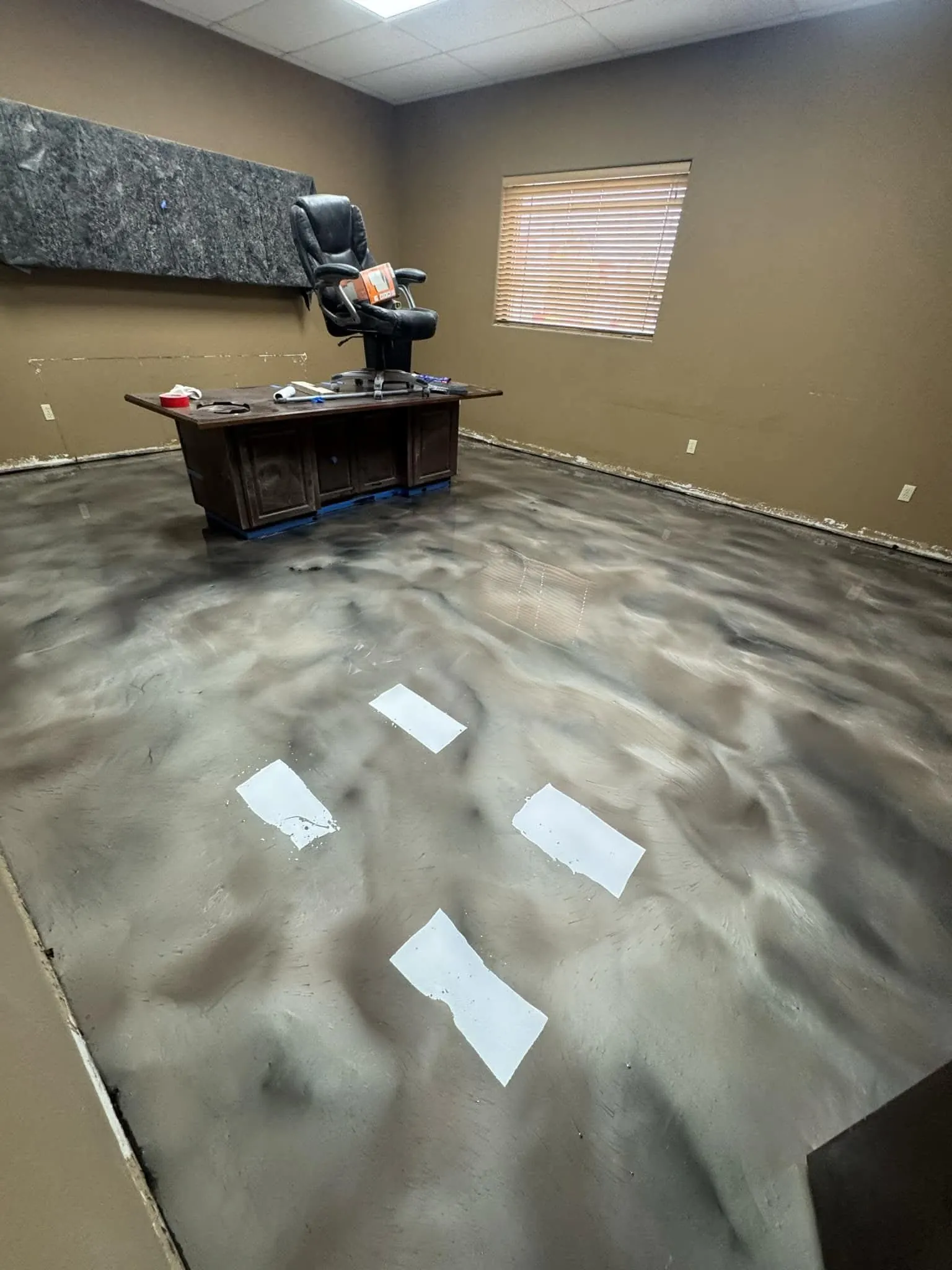
Here appearance leads: decorative flake hides traffic and grit between cleanings, and metallic epoxy turns the floor into a statement — with the caveat that gloss amplifies both depth and slab defects. The questions that matter: the lighting, the look you want customers to walk into, and where entrance grit gets managed.
A space that gets washed down
Frequent washdown shifts the conversation to texture versus cleanability. Quartz broadcast systems are common where floors stay wet, because grout fill can be tuned — more fill mops easier, more exposed aggregate grips better. The questions that matter: what the floor is washed with, where the water goes, and who walks through while it is wet.
Four steps from first call to reopening.
The sequence is simple; the scheduling is where commercial jobs are won or lost.
- Describe the space and schedule. How the floor is used, what it is exposed to, and when the area can come out of service — nights, weekends, a shutdown window, or not at all.
- Assess the slab and existing coating. On site: what is on the concrete now, whether it is sound, what needs removal or repair, and whether moisture needs evaluating before anything is promised.
- Agree the finish, preparation, and phases. The system, the prep scope, and — if the space cannot close — which areas are done in which order.
- Confirm handoff and return-to-use. Written timing for foot traffic, equipment, and full service, plus care instructions and a direct contact.
“Can part of my space stay open?” Often, but nobody honest confirms it sight unseen. A phased plan depends on the layout, how work areas can be separated, airflow and ventilation during application, cure times between phases, and how people and goods move around the wet zone. The team assesses all of that on site before committing to a phasing plan or a reopening time.
What changes the quote.
Commercial quotes vary for reasons you can see on a walkthrough — not mystery line items.
Area and layout
Square footage sets the baseline; edges, drains, trenches, cove details, and transitions add the labor that open floor does not.
What is on the slab now
Removing a failed or incompatible coating, grinding to profile, and repairing cracks or spalls are often the largest variables between quotes.
System and schedule
The specified system — build thickness, broadcast, topcoat — sets material cost, while access, phasing, and night or weekend windows set the labor pattern.
No price list is published in this preview — a quote follows an on-site assessment. When you start the estimate, include your ZIP code, approximate floor area, how the space is used, photos if you have them, and the work window you can offer.
Asked by Bay Area businesses.
From the same Bay Area search research — the commercial-relevant questions, answered.
When should you not use epoxy flooring?
When the slab has an unsolved problem: active water or leaks, unsound or contaminated concrete, or structural cracks that are still moving. A coating also disappoints when the chemistry is wrong for the exposure — severe thermal shock, certain chemicals, or heavy process traffic need specific systems, not a generic coating. Fix the cause or match the system first; a coating over a bad slab fails early.
Does epoxy flooring last a long time?
Service life rides on three things: how well the concrete was prepared, how well the system matches the real traffic and exposures, and how the floor is maintained — grit removal, compatible cleaners, and recoating wear lanes before they cut through. Matched and maintained, resinous floors carry years of hard commercial service; there is no honest fixed number without knowing the floor.
Is metallic epoxy flooring slippery?
Metallic finishes read glossy and smooth, and traction comes from the complete system — the topcoat, any texture additives in it, and how the floor is used and cleaned — not from the word metallic. No floor should ever be called slip-proof. For entries and wet zones, ask about texture additives in the topcoat and plan matting where water walks in.
Out of service is expensive. Plan it once.
Start a commercial brief with your area, use, and available window — the assessment confirms everything else. A member of the SF Epoxy Flooring team reviews every request.